The Ultimate Guide to 9mm Ammo: Ballistics, Brands, and Buying Secrets
What makes 9mm ammo the most widely used handgun cartridge in the world? It is a rimless, centerfire pistol round with a 9x19mm case, typically firing a 115- to 124-grain bullet at velocities around 1,100 to 1,200 feet per second. Its design balances manageable recoil with adequate stopping power, making it effective for self-defense and target shooting alike. For reliable function, always use properly headstamped brass or factory-new ammunition matched to your firearm’s barrel length and chamber specifications.
Why the 9mm Luger Is the Smartest All-Around Choice for Shooters
The 9mm Luger isn’t just popular; it’s the pragmatic pinnacle of handgun cartridges, delivering the best all-around 9mm ammo performance for skill development and defensive readiness. Its manageable recoil allows for faster follow-up shots and tighter shot groups, making it ideal for both new shooters and seasoned pros. This cartridge offers an exceptional balance of magazine capacity, terminal ballistics, and shooter comfort, meaning you can train harder without flinching. Unlike snappier calibers, the 9mm’s gentle push keeps you on target, building muscle memory that translates directly to real-world accuracy. From compact carry pieces to full-size competition guns, the 9mm Luger functions flawlessly across platforms, solidifying its status as the smartest all-around choice for shooters who demand versatility without compromise.
- Start with standard-pressure 115-grain loads to master your grip and sight alignment before moving to hotter self-defense rounds.
- Invest in a mix of full metal jacket rounds for low-cost practice and high-quality jacketed hollow points for carry, maximizing your training budget.
- Use the 9mm’s flat trajectory to switch frequently between paper targets and steel plates, honing your transition speed and target acquisition.
- Test multiple bullet weights—124-grain is a sweet spot—to find the one that cycles smoothly and returns to zero fastest in your specific pistol.
Understanding Bullet Grain Weight: What 115, 124, and 147 Grain Actually Do for You
Bullet grain weight Handgun Ammo for Sale in 9mm dictates a trade-off between felt recoil, muzzle velocity, and penetration. A 115-grain load is the lightest, producing the snappiest recoil and highest velocity, which typically yields flat trajectory and reliable expansion in self-defense loads. A 124-grain bullet sits in the middle, offering a balanced blend of speed and momentum; it often feels slightly softer than 115-grain and provides deeper penetration, making it a popular choice for both target and duty use. The 147-grain is the heaviest subsonic option, delivering a slower, push-like recoil impulse. Because it stays below the speed of sound, it is ideal for suppressed shooting, and its higher mass drives deeper wound channels.
Your choice should hinge on how the recoil impulse feels to you and whether you need subsonic performance—not on a belief that heavier is inherently “harder-hitting.”
For most shooters, 124-grain offers the most versatile balance, while 115-grain suits rapid-fire courses and 147-grain excels for quiet, low-noise practice or defense in compact pistols.
Lightweight 115-Grain Rounds: Snappy Recoil and Flat Trajectory for Target Practice
For target practice, 115-grain 9mm rounds deliver a snappy recoil impulse that feels crisp and immediate, letting you track your sights back on target with deliberate timing. Their lighter mass accelerates faster down the barrel, producing a flatter trajectory at typical 10-to-25-yard ranges, which simplifies holdover adjustments and keeps your groups tight without constant elevation compensation. This combination of brisk kick and minimal bullet drop makes 115-grain loads ideal for honing trigger control and rapid follow-up shots, especially for shooters who prefer a more tactile, energetic feedback over a softer push.
115-grain rounds trade muzzle softness for a snappy, quick-cycle recoil and a flat flight path—making them a confident choice for precision-oriented, high-volume target practice.
Balanced 124-Grain Loads: The Sweet Spot for Self-Defense and Range Consistency
For most shooters, 124-grain 9mm loads deliver the ideal blend of recoil management and terminal performance, making them the practical choice for both defensive carry and routine practice. This weight splits the difference between snappy 115-grain rounds and sluggish 147-grain subsonics, cycling reliably in nearly every modern pistol while producing less muzzle flip than lighter options. On the range, 124-grain ammunition typically prints tighter groups because its moderate velocity—usually around 1,150 fps—encourages consistent sight tracking and faster follow-up shots. For self-defense, bonded jacketed hollow points in this weight expand dependably through clothing and gel while penetrating to FBI-standard depths. *The crossover utility means you can train with the exact same grain weight you carry, eliminating point-of-impact shifts between practice and protection loads.* Whether you are burning through boxes at the range or trusting your life to a magazine, 124-grain loads offer confidence without compromise.
Heavy 147-Grain Subsonic Rounds: Quieter Shots and Suppressor Performance
Heavy 147-grain rounds are the foundation of a genuinely quiet 9mm setup because their mass keeps velocity below the sound barrier, eliminating the crack that plagues lighter loads. Paired with a suppressor, these rounds deliver a mechanical « thwack » against the target, not the sharp report you hear with standard ammunition, making them ideal for range sessions where noise matters. The subsonic flight path also helps keep your point of impact consistent, since you avoid the disruptive turbulence that occurs at transonic speeds. For maximum quiet, lock the bolt and run these 147-grain subsonic rounds through a can, and you get a smooth, suppressed cycling action that is noticeably less disruptive to your shooting rhythm.
How to Pick Between Full Metal Jacket and Hollow Point for Different Jobs
For 9mm ammo, the job dictates the jacket. Choose full metal jacket (FMJ) for cheap, reliable training at the range, where barrier penetration and clean feeding matter more than wound effect. FMJ’s hardened lead core punches through drywall or auto glass predictably, making it a poor self-defense choice because it over-penetrates and zips through a threat without dumping energy. Switch to hollow points (HP) when the job is personal protection—their expanded mushroom creates a larger wound channel and stops inside a body, drastically reducing risk to bystanders. However, FMJ is the smarter pick for practice precisely because its lack of expansion forces you to master shot placement rather than rely on bullet magic. For hunting or carry, trust HP with proven expansion, but always verify they cycle in your specific 9mm pistol before relying on them for serious work.
FMJ Rounds: Why They’re Your Best Bet for Cheap Range Drills and Reliable Feeding
For 9mm range work, FMJ rounds deliver the lowest cost per trigger pull because their copper jacket and lead core are cheaper to manufacture than expanding hollow points. That price gap lets you fire hundreds of extra rounds Rimfire Ammo for Sale per session, building muscle memory without burning through your defense budget. Practically, the full metal jacket’s smooth, uniform profile also feeds with fewer malfunctions in tight-tolerance pistols, as there’s no hollow cavity to snag on feed ramps or catch on extractor lips. This reliability is critical during high-volume drills, where a single failure interrupts your cadence. While FMJs lack terminal expansion, their predictable recoil and consistent seating depth make them the logical choice for pure practice, preserving your defensive hollow points for carry.
FMJ rounds are your most economical, feeding-dependable option for high-volume 9mm practice, ensuring uninterrupted drills at the lowest cost per round.
Jacketed Hollow Points: Expansion Mechanics That Stop Threats Faster
When you’re picking 9mm for self-defense, jacketed hollow points shine because their expansion mechanics are all about dumping energy fast. The hollow nose creates hydraulic pressure on impact, forcing the lead core to peel back into a wider mushroom shape. That wider frontal area increases drag through tissue, which slows the bullet down quicker and transfers more stopping power. Unlike FMJ’s punch-through, JHP expansion reduces over-penetration risk, keeping your shots effective on target. The trick is choosing a load that reliably expands at 9mm velocities—typically 1,000+ fps—so it doesn’t plug up with thick clothing. Reliable JHP expansion mechanics turn a narrow bullet into a wide, threat-stopping disc.

Jacketed hollow points stop threats faster by expanding on impact, creating a larger wound channel and Ammunition for Sale dumping energy efficiently.
When to Use Frangible or Flat-Nose Variants for Steel Targets and Tube Magazines
For steel targets, switch to frangible 9mm loads to prevent ricochets and lead splatter, as they disintegrate on impact and preserve the plate’s surface. For tube-magazine pistols like lever-action carbines, choose flat-nose variants to avoid primer strikes on the round ahead, which can cause chain detonation. Frangible ammo is also ideal for close-range training on steel, where full metal jacket risks fragmenting back at you. Flat-nose rounds, meanwhile, feed reliably from tubular magazines and deliver clean, controlled expansion without the pointed profile that invites hang-ups. Never use hollow points in a tube magazine—their open tips catch.
- Use frangible for steel targets at 10–25 yards to minimize splashback.
- Use flat-nose for tube-fed 9mm carbines to prevent accidental primer ignition.
- Avoid FMJ on steel—it can crater the plate and bounce back.
- Match flat-nose with lead-safe powder to reduce fouling in magazine tubes.
Matching the Right Ammo to Your Pistol’s Barrel Twist and Action Type
Does barrel twist matter for 9mm ammo selection? Yes, though less than with rifle calibers. Most 9mm pistols use a 1:10 to 1:16 twist rate, which stabilizes standard 115–147 grain bullets well. Heavier subsonic loads (158 grain) may keyhole in a 1:16 barrel, while fast-twist 1:7 barrels can overstabilize light 65–90 grain frangible rounds, causing erratic yaw. Matching bullet weight to twist rate ensures consistent spin and accuracy. Action type compatibility is equally critical: blowback actions (e.g., many compact 9mms) prefer standard-pressure, round-nose FMJ for reliable feeding and slide cycling. Locked-breech pistols handle +P ammo, but repeated high-pressure loads can batter the locking lugs. Recoil-operated pistols with a tilting barrel demand ammo whose ogive fits the feed ramp—flat-nose defensive rounds often need a proven profile. Always test your chosen 9mm load across 50 rounds for function: check for premature slide lock, stovepipes, or ejector wear. While twist rarely limits 9mm, action-specific pressure and feeding characteristics trump all other factors for reliable performance.
Concealed Carry vs. Home Defense: How to Load Your Firearm Differently
For concealed carry, your 9mm magazine should prioritize defensive hollow points like Federal HST or Speer Gold Dot in standard pressure, as over-penetration risk is higher in public settings. Load one round in the chamber and use a magazine with a +1 or +2 baseplate for maximum capacity while maintaining a compact grip. For home defense, your 9mm loading strategy shifts toward barrier penetration and recoil management. Use a heavier grain (147gr) hollow point, or consider a full-metal-jacket load for interior walls if you live in an apartment. Never use frangible ammo for home defense because drywall and studs can cause it to fragment unpredictably, reducing terminal effect. Keep a full-size magazine (17+ rounds) with a light-bearing holster, and avoid +P loads if your handgun is compact—the extra velocity increases muzzle flip and follow-up shot time indoors. Ultimately, your carry load favors expansion at close range, while your home load favors controlled penetration through obstacles.
Optimizing Magazines for Personal Defense: Avoiding Over-Penetration Risks
For personal defense loads, prioritize expanding projectiles over penetration depth. In a magazine, stagger **defensive hollow points** with one or two barrier-blind rounds, such as fixed-penetrator tips, to address threats behind cover. This mix reduces over-penetration risk through drywall while retaining authority against heavy clothing. Avoid full metal jacket loads entirely; their deep penetration endangers bystanders and household members. Instead, select 124-grain jacketed hollow points with verified 12–16 inches of gel penetration. Place the barrier-blind round last in the magazine, ensuring the first shots remain low-penetration if engagement occurs in tight spaces.
Testing Recoil Springs and Follow-Up Shot Speed With Defensive Loads
When evaluating defensive 9mm loads, you must test your recoil spring’s response to ensure the slide cycles fast enough for rapid follow-up shots. Heavier defensive ammunition, like 147-grain JHPs, generates different slide velocities than standard 115-grain ball, often requiring a stiffer spring to prevent premature unlocking. Conversely, a spring that’s too heavy will short-stroke with lighter loads, causing malfunctions during critical drills. Fire multiple magazines of your chosen carry ammo, measuring your split times and observing the brass ejection pattern—a consistent 3-to-4-foot trajectory indicates proper spring tension. If your sights track flat and the muzzle returns quickly, your setup is optimized for fast double-taps. Always test with the exact recoil spring you carry, as wear changes performance over time.
Testing your recoil spring with defensive 9mm loads is non-negotiable—it dictates slide speed, reliability, and your ability to land rapid follow-up shots under stress.
Why You Should Cycle a Box of Your Carry Ammo Every Few Months
Carry ammo lives in a harsh environment—body heat, sweat, and constant chambering cycles all degrade its reliability. Rotating your 9mm carry ammunition every few months ensures the primer compounds and propellants remain fresh, preventing misfires or hangfires during a defensive draw. Older rounds also suffer from bullet setback after repeated rechambering, which spikes pressure to dangerous levels. A practical sequence keeps you safe: first, fully unload your magazine and inspect each cartridge for dents or corrosion; second, shoot that old box at the range to validate feed reliability and re-zero your point of aim; third, reload with a fresh box and clearly mark its rotation date. This habit turns your carry gun into a predictable tool, not a gamble.
Storage and Shelf Life: How to Keep Your 9mm Rounds Reliable for Years
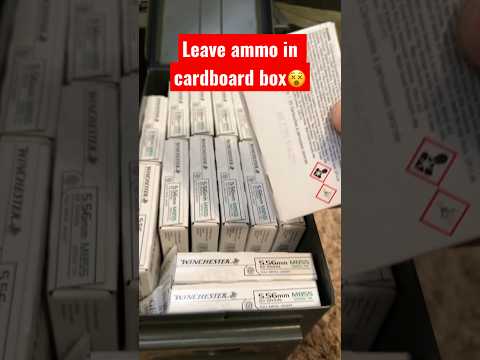
You pulled that dusty range bag from the garage shelf—the one you packed three summers ago—and the 9mm boxes inside felt cool, not clammy. That’s the secret: your rounds survive on consistency, not luck. Keep them in a sealed ammo can with desiccant packs, at a steady 60–70°F, and away from concrete floors that wick moisture. Inspect monthly for verdigris on brass or dimpled primers; if the bullet noses show dark rings, humidity won. Your best defense is rotating stock—shoot the oldest first, and you’ll never lose a round to age. Q: Can factory 9mm last a decade? A: Yes, if the storage space stays dry and temperature swings stay small—ammo degrades from change, not time. Stack the cans off the floor, label the date, and trust the seal.
Proper Ammo Can and Desiccant Setup to Prevent Corrosion
To prevent corrosion, start with a sealed military-style ammo can, as its rubber gasket blocks humid air. Before sealing, add silica gel desiccant packs—roughly two to four ounces per fifty-round box—to absorb residual moisture inside. For maximum effectiveness, place the desiccant above the ammo, as moisture settles downward, and avoid overpacking the can so air can circulate around the cartridges. Crucially, ensure the brass casings and primers are dry before storage; any fingerprints or water residue will accelerate oxidation. This active moisture-control system works only if you periodically inspect the desiccant, which should be recharged or replaced when its indicator changes color. Store the sealed can in a cool, stable environment to further minimize humidity cycling.
Reading Headstamps and Lot Numbers to Track Aging or Mixed Batches
Reading the headstamp and lot number on 9mm boxes is your primary tool for identifying batch consistency, since the headstamp reveals manufacturer and year while the lot number pinpoints the exact production run. To track aging, note that cartridges from specialty sports the same lot share identical propellant and primer chemistry, so degradation patterns (like corrosion or velocity drops) will appear uniformly. For mixed batches, always segregate by lot: first, record the headstamp and lot from every box; second, arrange stock oldest-to-newest using the date code; third, test-fire a few rounds from each lot to compare primer strike sensitivity and extractor behavior. This prevents unpredictable pressure spikes or misfires when combining old and new stock. Use batch segregation to isolate any lot showing reduced reliability, avoiding contamination of your viable reserve.
Signs of Bad Ammo—Dents, Loose Bullets, or Discolored Casings—and When to Toss It
When you’re sorting through your 9mm stash, signs of bad ammo are usually easy to spot if you look closely. A dented casing—especially near the rim or case mouth—can cause feeding hiccups or even a failure to extract, so toss it. If the bullet wiggles or spins freely in the case, that’s a pressure risk and a clear no-go. Discoloration like green spots on brass or a dark, powdery film on nickel cases often means corrosion is forming, which weakens the case over time. When in doubt? Pitch it. It’s not worth a jammed gun or a squib load just to save a few cents. Rule of thumb: if it doesn’t look uniform and solid, it goes in the “range scrap” pile.
- Dents near the rim or mouth = immediate discard.
- Loose bullet (hand-twist test) = never chamber it.
- Green or black discoloration = corrosion, not worth the gamble.
- Split or cracked case mouth = dangerous, toss immediately.
Misfires, Jams, and Failures: Quick Fixes When Shooting Various 9mm Loads
When a 9mm round fails to ignite, keep the muzzle downrange for thirty seconds before clearing, as hangfires are rare but real with certain primers. For a hard primer in cheap ammo, a second strike often fires it, so don’t immediately rack the slide. A failure to eject frequently stems from a weak grip or a light recoil spring, not the load itself; tighten your hold and ensure the spring matches your ammunition’s power factor. If a truncated-cone or flat-nose 9mm load jams on the feed ramp, polish the feed ramp and 6.5 Creedmoor Ammo for Sale test with a full magazine to verify the nose isn’t catching. Over-pressured +P loads can cause the slide to outrun the mag, so switch to standard pressure for drills. Sometimes the quickest fix is accepting that a particular bullet profile simply hates your barrel’s throat geometry. For squib loads, stop immediately and check the bore before any further trigger work.
Light Strikes: Solutions for Hard Primers in Budget or Surplus Rounds
When budget or surplus 9mm ammo leaves hard primers, your firing pin often lacks the kinetic energy to ignite them, causing a frustrating light strike. Instead of clearing the round, re-strike the same primer for a reliable second attempt. First, keep the muzzle pointed downrange and 7mm WSM Ammo for Sale pull the trigger again; many hard primers will ignite on a second, more forceful strike. If it still fails, manually cock the hammer or re-rack the slide to fully reset the spring, ensuring maximum pin force. Finally, if the round remains dead, eject it and inspect the primer dimple—a shallow mark indicates you need a heavier hammer spring or a stronger striker, which is the real fix for consistent ignition in corrosive or military surplus loads.
Failure to Feed: How to Identify Feed Ramp Issues Caused by Bullet Shape
When a 9mm round fails to fully chamber, the culprit is often the bullet’s ogive—its curved transition from the case mouth to the tip—colliding with the feed ramp’s top edge. Flat-nosed or hollow-point loads with a steep shoulder are especially prone to this, catching on the ramp instead of gliding upward. To identify this, cycle a dummy round slowly by hand and watch where the projectile first contacts the ramp; a visible drag mark or a stoppage with the slide slightly out of battery confirms the issue. Switching to a round with a smoother, more gradual ogive—such as a round-nose full metal jacket—often resolves the problem without any pistol modification. Bullet shape compatibility with the feed ramp is the primary variable here, not magazine spring tension or extractor grip. If polishing the ramp voids your warranty or feels too invasive, first test several brands; some 9mm loads are deliberately profiled for reliable feeding in tighter chambers.

- Check for a bright rub mark on the bullet’s upper curve after a misfeed.
- Compare a failing hollow point against a round-nose FMJ in the same magazine.
- Measure your barrel’s feed ramp angle—shallower angles reject blunt-nose bullets more often.
Blowback vs. Locked-Breech Pistols: Why Some Loads Won’t Cycle His Pistol
Blowback and locked-breech pistols handle 9mm pressure curves very differently, which explains why some loads won’t cycle his pistol. A straight-blowback design relies on slide mass and recoil spring tension to delay unlocking, so it typically requires hotter, higher-pressure loads to overcome that resistance. Soft “target” loads or reduced-recoil 9mm rounds often lack the energy to fully cycle the slide, causing stovepipes or failure to eject. Conversely, a locked-breech pistol uses a tilting barrel and camming 7mm-08 Ammo for Sale action, which allows it to function reliably with a wider range of power levels, including lighter loads. If his pistol jams only with mild ammunition, blowback versus locked-breech operating systems are the likely culprit, not the gun itself.
- Check the recoil spring weight: heavier springs in blowback pistols may need +P or full-power 9mm loads.
- For locked-breech pistols, weak loads usually cycle fine; if not, inspect the extractor or ejector for wear.
- Test a box of standard-pressure FMJ to confirm whether the issue is load-specific or mechanical.
How to Gauge Muzzle Velocity Differences Without a Chronograph
Without a chronograph, you can still rank 9mm loads by feel and impact. First, shoot at a steel plate or heavy gong at 25 yards; a noticeably sharper “clang” and faster target swing suggest higher retained energy, which tracks with muzzle velocity. Next, watch your point of impact—hotter 9mm loads often print higher at 15 yards due to less barrel time and Shotgun Ammo for Sale muzzle rise. Pay attention to felt recoil impulse: a snappy, abrupt push indicates a fast-burning, high-velocity load, while a slow, rolling shove points to a weaker charge. Finally, test muzzle velocity differences without a chronograph by firing at wet clay or packed dirt from a fixed rest; deeper, more fragmented craters mean more speed. For reliable 9mm velocity comparison, keep all variables constant—same gun, same grip, same sight picture.
- Use a steel target and listen for pitch—higher pitch equals faster impact.
- Compare bullet splash on soft backstops; wider spray suggests higher velocity.
- Track recoil timing: quick snap beats slow push for speed.
- Shoot from a rest to isolate velocity from shooter error.
- Test at least five rounds per load to average out inconsistencies.
Pressure spikes can mimic high velocity but risk overpressure signs—check for 6.5 PRC Ammo for Sale flattened primers or stiff extraction.
Buying Bulk 9mm: How to Split Orders Between Practice and Defensive Rounds
When buying bulk 9mm, split your order roughly 70% to 80% for practice rounds and 20% to 30% for defensive loads. Practice 9mm—typically full metal jacket (FMJ)—is cheaper and built for volume, so prioritize it for range drills and manual-of-arms repetition. Defensive rounds, like jacketed hollow points (JHP), cost more and serve a different purpose: they must feed reliably and expand consistently, so reserve them for function-checking your specific pistol and for short, high-focus live-fire sessions that simulate stress. Never burn through defensive ammo in high-round-count practice; instead, rotate a few magazines of JHP through your gun monthly to verify zero and cycling. Track your round count per range trip, then order bulk cases accordingly, but keep your defensive stockpile separate and clearly labeled.
Your bulk 9mm order should mirror your shooting habits—volume for reps, fidelity for survival.
This segregation also simplifies inventory: you always know how much defensive ammo is on hand without accidentally depleting it during casual practice.
Calculating Cost Per Round and What a Realistic Bulk Stash Should Look Like
To calculate cost per round, divide the total box price by the number of rounds—for example, $280 for 500 rounds equals $0.56 per round. Always compare this figure across brands and case quantities, as shipping and taxes can add $0.02–$0.05 per round if not factored in. A realistic bulk stash should be split by use: roughly 70–80% practice and 20–30% defensive. For a practical starting point, build a 1,000-round stash: that means 700–800 practice rounds and 200–300 hollow points, not a uniform mix. Prioritize your defensive stock first, then fill the remainder with the cheapest reliable practice ammo. Follow this sequence once you set a budget:
- Decide your total round count (e.g., 1,000 or 2,000) based on monthly range visits.
- Allocate the defensive percentage and buy those boxes first.
- Calculate the per-round cost of practice ammo in bulk to hit your target spend.
This approach keeps your cost per round low while ensuring your stash isn’t skewed toward unusable inventory.
Why You Shouldn’t Mix Brands in the Same Magazine or Training Session
Mixing brands in a single magazine or training session introduces inconsistent recoil impulse and slide timing, which degrades your ability to track sights and build muscle memory. Each manufacturer’s 9mm load varies in bullet weight, powder charge, and case dimensions, so a hot round followed by a weak one causes unpredictable ejection patterns and potential feed failures. If a defensive carry magazine contains mixed brands, you cannot predict which round is chambered, compromising reliability when it matters most. During training, constant brand switching masks true accuracy and prevents diagnosing malfunctions, as you never isolate whether failures stem from the gun, the round, or your grip. Standardize one brand per magazine and per session to establish consistent baseline performance.
Never mix 9mm brands in the same magazine or training session—inconsistent pressure and geometry Rifle Ammo for Sale ruin reliability, accuracy, and skill development.