Understanding the Basics of Poker
To master poker, one must first understand its foundational rules and gameplay. Poker is a card game traditionally played in various forms, where players wager on the best hand according to specific rules, including options like neosurf casino instant withdrawal that enhance the overall experience. The most popular variant is Texas Hold’em, where players receive two private cards and share five community cards. Each player aims to make the best five-card hand, which can include any combination of the community and private cards.
Knowing the rankings of poker hands is crucial. The hierarchy starts from the high card, which is the weakest, up to the royal flush, the strongest hand. Familiarizing yourself with these rankings helps players make informed decisions about their betting and whether to fold, call, or raise based on their chances of winning. For instance, recognizing a straight flush can be a game-changer during critical betting rounds.
Another essential aspect of poker is the concept of betting rounds. Players must strategically place their bets in each round, evaluating their hands against opponents. Understanding how to use position at the table—where you’re sitting in relation to the dealer—can greatly influence your strategy. Being aware of whether you’re in an early, middle, or late position allows you to adjust your betting tactics accordingly, enhancing your chances to win.
Developing a Winning Strategy
Once you grasp the basics, developing a robust poker strategy is the next step. This involves taking a balanced approach to both aggressive and passive play. An aggressive player may frequently raise and bet to put pressure on opponents, while a passive player might call or check, waiting for the right moment to act. Finding the right balance often leads to success, as opponents may struggle to read your playing style.
Position also plays a critical role in strategic development. Players in late position have the advantage of seeing how others act before making their own decisions. This knowledge can inform whether to play a hand aggressively or remain cautious. For example, if the players before you check their bets, you might seize the opportunity to bet big, capitalizing on their hesitation and potentially forcing them to fold.

Another vital component of mastering poker strategy is understanding pot odds and implied odds. Pot odds reflect the ratio of the current size of the pot to the size of the bet you must call, leading to better decision-making on whether to continue with your hand. Implied odds consider not only the pot size but also the potential future bets you could win if you hit your hand. Understanding and applying these concepts can significantly improve your betting decisions and overall success.
Reading Opponents and Bluffing Techniques
Reading opponents is an art form that takes time and practice to master. Observing betting patterns, body language, and facial expressions can provide insights into the strength of an opponent’s hand. For instance, a player who suddenly becomes more aggressive may have a strong hand, while a player who hesitates might be uncertain or weak. Developing this skill can give you a significant edge in poker.
Bluffing is another critical aspect of the game, often seen as a double-edged sword. Successfully bluffing requires not only a solid understanding of your own hand but also the ability to predict how opponents perceive your actions. A well-timed bluff can lead to winning a pot even when you’re holding a weak hand. However, excessive bluffing can backfire, as players may catch on to your tactics, leading to further losses.
Incorporating semi-bluffing into your game can also be advantageous. This tactic involves betting or raising with a drawing hand that may be weak at the moment but has the potential to improve. For example, if you hold a flush draw, betting aggressively could either force opponents to fold or give you a stronger hand if the right cards appear. Mastering the timing and execution of both bluffing and semi-bluffing is crucial for mastering poker.
Managing Your Bankroll Wisely
Bankroll management is an often-overlooked aspect of poker mastery. Players must develop a budget that dictates how much they can afford to lose without affecting their financial stability. Establishing strict limits for daily and monthly play ensures that poker remains enjoyable and does not lead to financial stress. A well-managed bankroll allows players to make better decisions rather than playing impulsively when emotions run high.
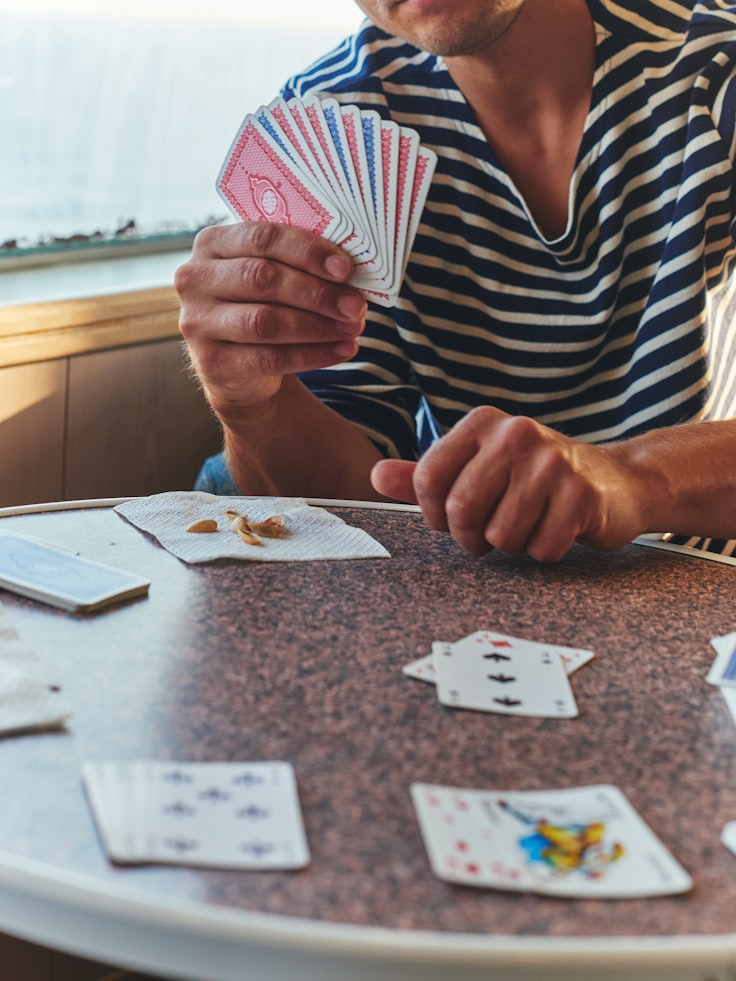
Additionally, it’s essential to determine the stakes at which to play. Different levels of play carry varying levels of risk and potential reward. Beginners should consider starting at lower stakes to minimize losses while they develop their skills. As confidence and understanding of the game increase, players can gradually move up to higher stakes, provided they can afford to do so without compromising their bankroll.
Tracking your winnings and losses is also critical. Keeping detailed records of every session allows you to analyze your performance over time, identifying strengths and weaknesses in your game. This self-reflection helps in adjusting strategies and improving your overall play. Employing software or simple spreadsheets can simplify this process, ensuring you are always aware of your financial standing in poker.
Exploring Resources and Community Support
To truly master poker, it’s crucial to tap into available resources and community support. Many books, articles, and online courses provide insights into advanced strategies, psychological tactics, and the latest trends in poker. These materials often feature analysis from professional players who share their experiences and techniques, offering valuable knowledge for aspiring players.
Online forums and poker communities can also serve as powerful tools for improvement. Engaging with other players allows you to share experiences, ask questions, and learn from others’ mistakes. Participating in discussions about strategy and gameplay can expose you to different perspectives, enhancing your overall understanding of the game.
Additionally, playing with friends or participating in local poker clubs can provide a supportive environment for honing skills. Playing regularly in a relaxed setting can reduce pressure and create opportunities to experiment with different strategies without the fear of significant financial loss. Building connections within the community fosters growth, encouragement, and motivation to continue improving your game.